More proactive upzonings have been added to the Chicago zoning map
Published on Dec. 22, 2025 by Steven Vance
Updated on Dec. 24, 2025
Block by block, more of Chicago is allowing multifamily housing as of right. Proactive upzoning is the not-revolutionary-concept of increasing the development capacity of land without knowing if anyone will propose a project there. It’s a very normal way of planning for development that Chicago is returning to, thanks in large part to new leaders within the city’s planning department.
In the fall, City Council adopted its biggest upzoning* on Broadway, from Montrose Avenue to Devon Avenue; it also upzoned nearly half a mile of a street in Englewood, a large area in Bronzeville, and 28 blocks along 95th Street and some of its cross streets. This article will summarize the latest proactive upzonings and explain how to find these areas on Chicago Cityscape in case you’re interested in building there without having to obtain an individual rezoning.
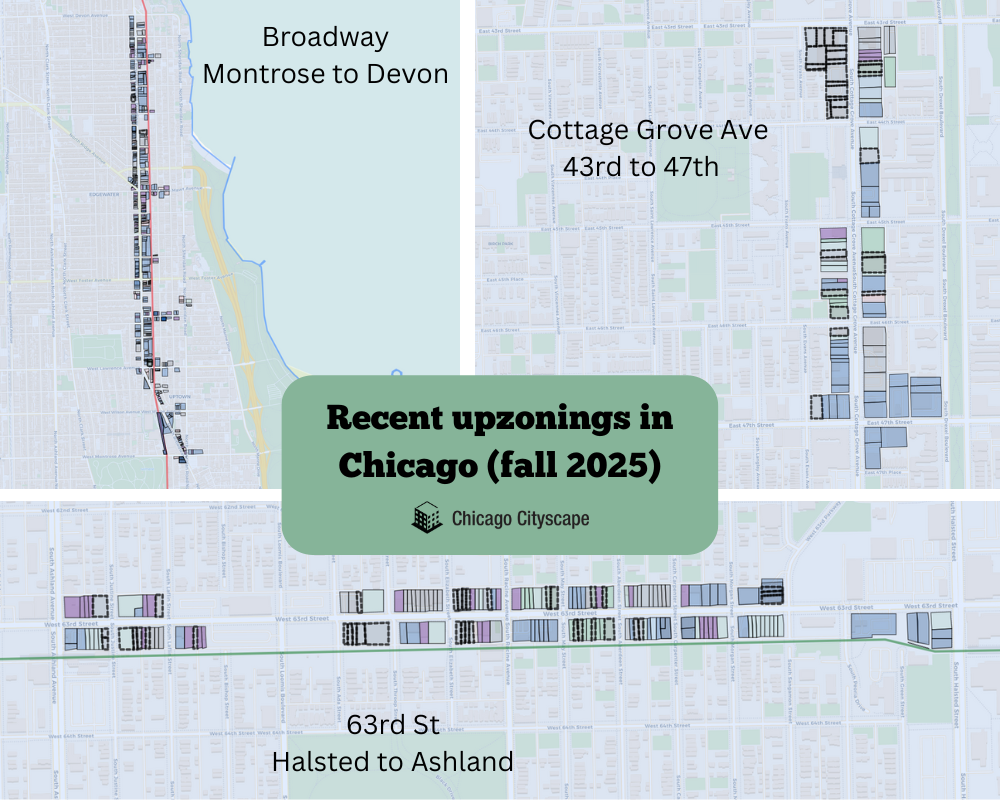
Latest upzonings
Broadway is the largest multi-block-size proactive upzoning in decades, extending 2.6 miles from Montrose Avenue in Uptown to Devon Avenue in Edgewater. The corridor was upzoned on October 16, 2025, from various zoning districts to mostly B3-5 and some C1-5. These zoning districts (and all other “-5” zoning districts) allow the most housing outside of the downtown area (where housing allowances can be much greater).
This corridor is also notable because it has a lot of surface parking lots next to the completed phase one of the CTA’s Red Purple Modernization project that rebuilt four ‘L’ stations. Wards 46, 47, and 48 supported this change.
https://medium.com/media/425cbbe645c48b4a0021df22628da11a/href63rd Street in Englewood, in various areas from Halsted Street to Ashland Avenue, was upzoned to B2-3. That new zoning district allows more than 100 percent more housing per property than the previous zoning district, and allows housing to be built on the ground floor without additional permission. Ward 16 supported this change.
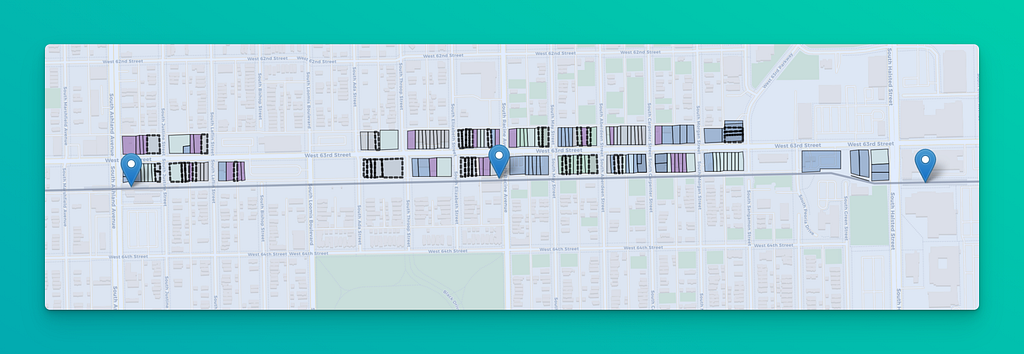
- In the upzoned area there are eight city-owned vacant lots that are part of an RFP to buy the land from the city. Outside the upzoned area is a CTA park and ride lot that is for lease or for sale as part of the same RFP.
- The new transit bill, called NITA for Northern Illinois Transit Authority, requires that the Racine Green Line station reopen by 2029.
Cottage Grove Avenue in Bronzeville was upzoned on both sides between 43rd Street and 47th Street to B3-3. (One property within that area was upzoned to B2-3, which allows ground floor housing.) Ward 4 supported the change.
95th Street, and some cross streets, in Roseland and Washington Heights was upzoned on approximately 28 blocks to either B2-3 or RT-4 depending on the goal for the block. B2-3 allows for medium-density multifamily housing and businesses, including residential on the ground floor. While RT-4 was mostly added to the blocks that banned multifamily housing; RT-4 allows for 2, 3, and 4-flats on single lots and up to 8-flats on double lots.
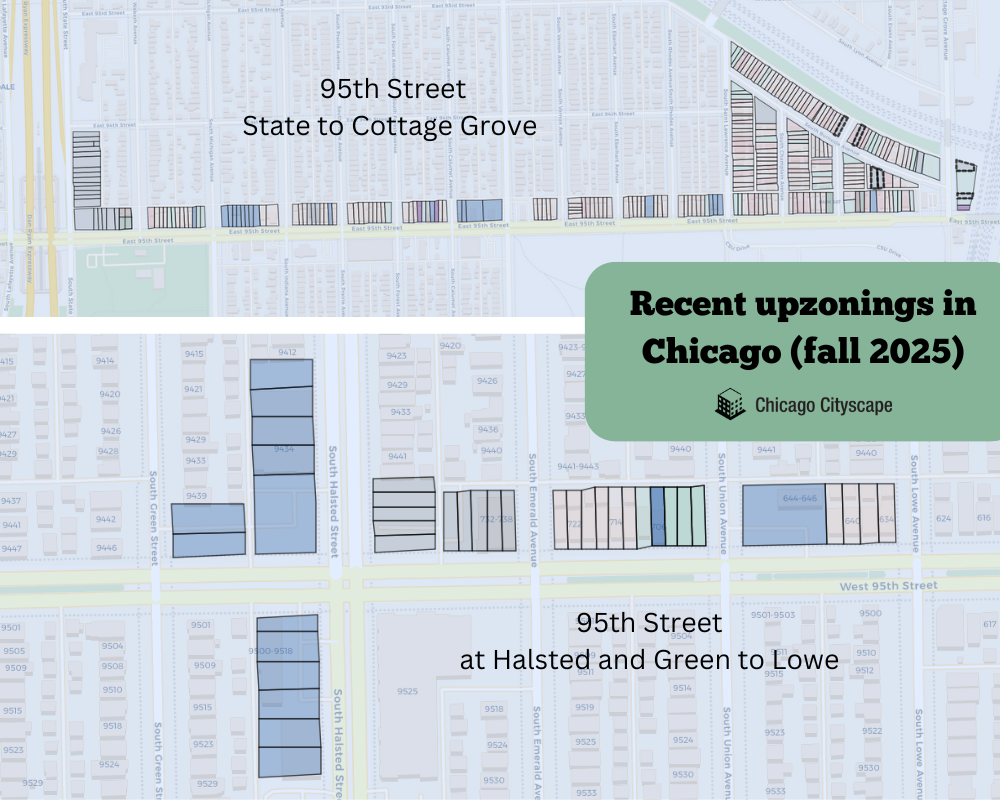
The 95th Street upzonings were adopted in November 2025 after the 95th Street Corridor Plan was conducted, after planning that started in February 2024 was adopted by Plan Commission in February 2025.
Find property in upzoned areas
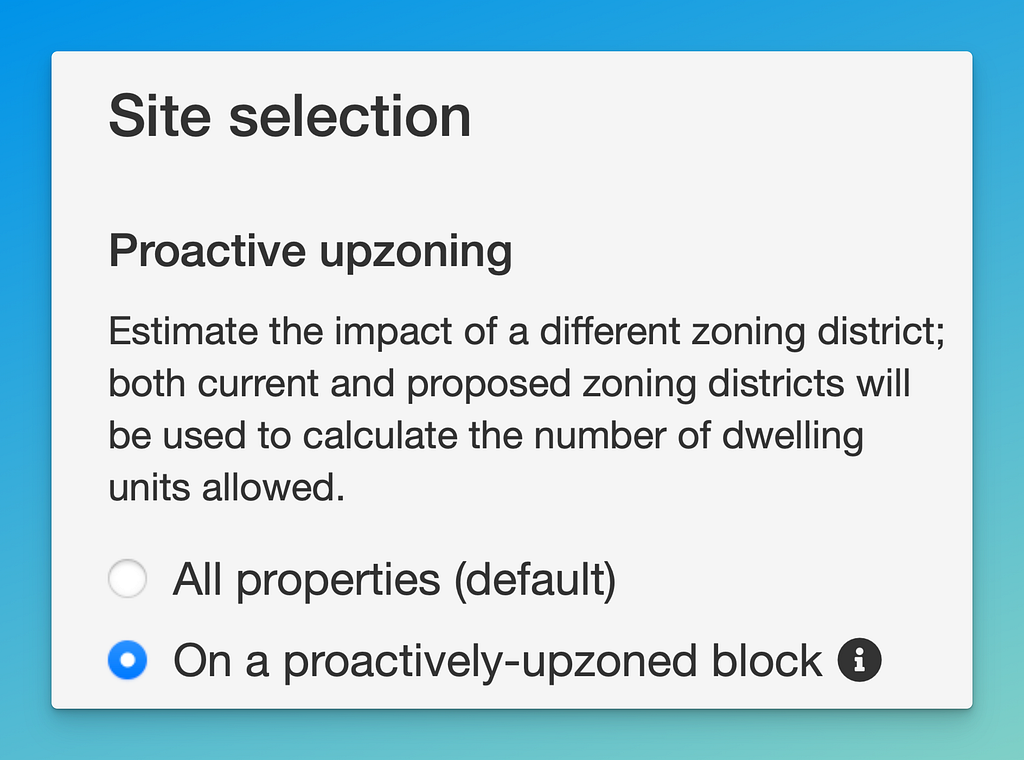
Chicago Cityscape has a filter to find properties in proactively-upzoned areas. This filter is helpful for two reasons:
- The filter will find properties in these areas two months before the city’s zoning map gets updated.
- It shows the areas where alderpersons desire more development, which could help smooth down certain barriers to development.
The “how to”
This tutorial is also available in a Knowledge Base article.
- Open the citywide Property Report
- Load the Property Finder map
- In the Chicago-only filters section, look under the “Proactive upzoning” heading, and select the “On a proactively-upzoned block” option.
- Select the “Apply filters” button.
The map and data table will refresh after a few seconds to show nearly 2,500 properties (not including condo buildings) that have been upzoned in 2024 or 2025.
When you do need an individual rezoning, or you’re developing as of right in one of the proactively upzoned areas but want to bundle administrative adjustments and variations into a single application, then contact one of the professionals in our member directory.
*Western Avenue upzoning, adopted in 2024, is longer than the Broadway upzoning but the Broadway upzoning increased the zoning capacity by more dwelling units.
More proactive upzonings have been added to the Chicago zoning map was originally published in Chicago Cityscape’s Blog on Medium, where people are continuing the conversation by highlighting and responding to this story.
Tags
Click a tag to find more posts.
- zoning (7)
Other posts by Steven Vance full archive
March 2026
February 2026
January 2026
December 2025
- More proactive upzonings have been added to the Chicago zoning map
📄 you're reading this one