The Chicago zoning code's two new ways to convert retail to residential
Member only content
Published on Mar. 3, 2026 by Steven Vance
Chicago has made two moves in the last year to make it easier to convert retail to residential, where retail no longer makes as much sense. Ground floor residential in commercial and mixed-use areas has been restricted to a single of zoning district (B2), or required getting special use permission from the Zoning Board of Appeals. Both methods take months and cost thousands. Two changes to the zoning code, one already in effect and one arriving April 1, 2026, open up simpler new paths.
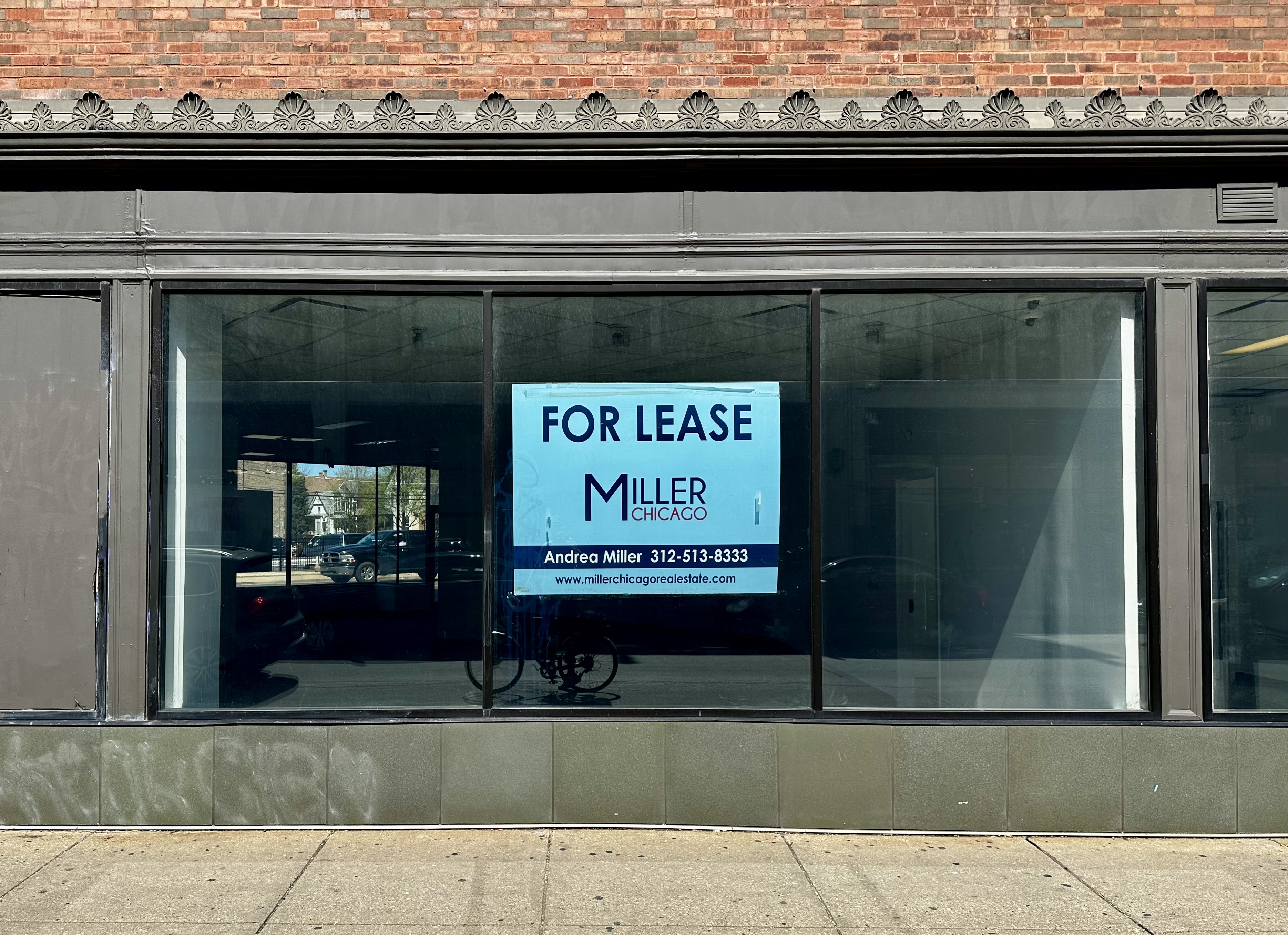
Method 1: Administrative adjustment (already in effect)
In February 2025, City Council adopted an ordinance introduced by 44th Ward Alderperson Lawson that allows property owners to convert vacant or underused ground floor commercial space to residential through an administrative adjustment — a decision made by the Zoning Administrator, not the Zoning Board of Appeals.
The process is faster, cheaper, and doesn't require a public hearing. Here's how it works:
- The property must be in an R, B, C, or D zoning district, excluding C3 and DS districts.
- More than 50 percent of the zoning lots on the same side of the same block must already have ground floor residential uses.
- If that threshold is met, the property owner applies for an administrative adjustment alongside a building permit application. Adjacent owners and the local alderperson must be notified.
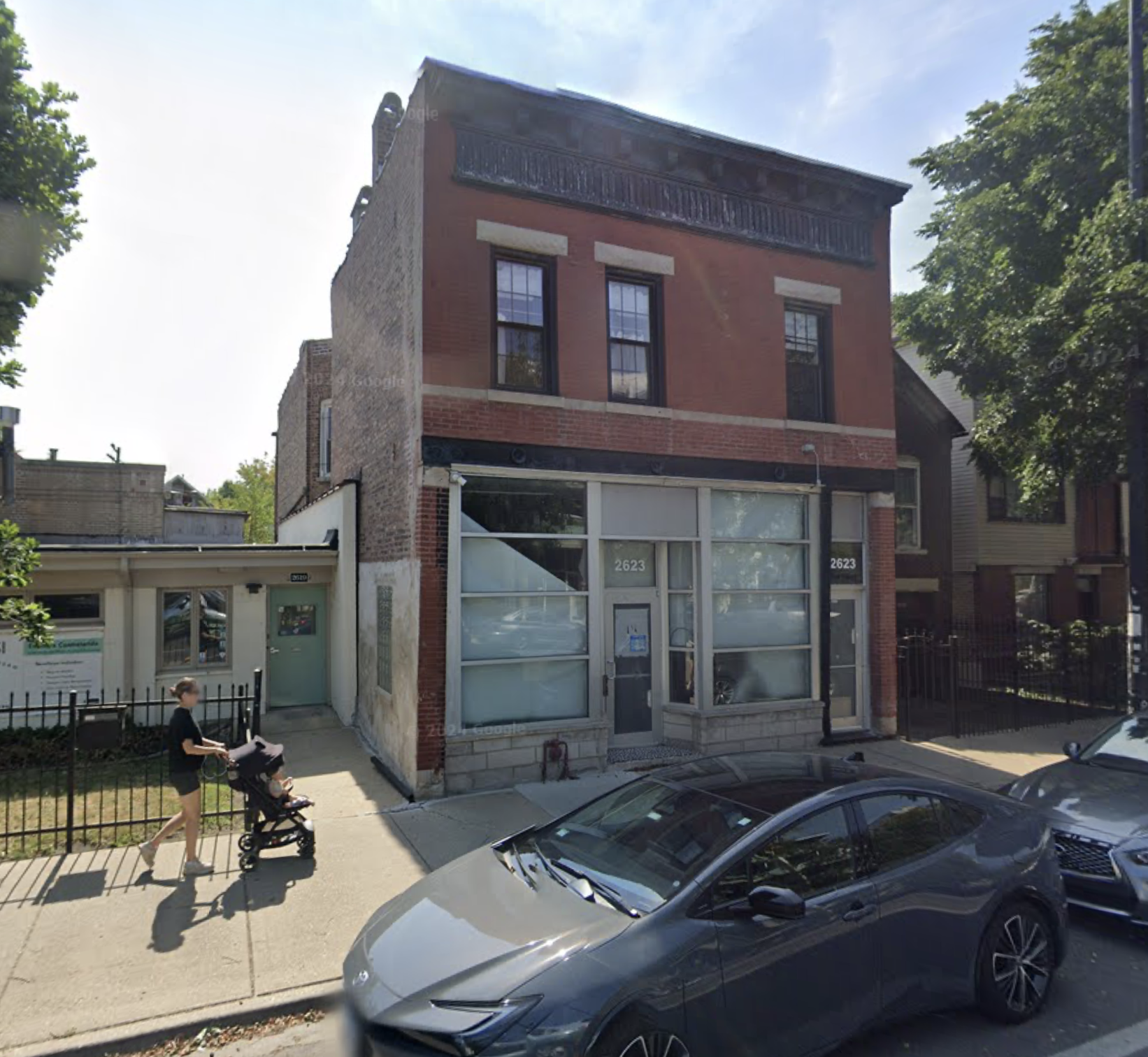
In the example shown below, there is a two-story building in Logan Square with a commercial ground floor space. The zoning here is B3-1, which allows ground floor only after obtaining a special use from the Zoning Board of Appeals. Additionally, the -1 zoning doesn't allow any additional dwelling units here but the method exempts the new residential space from bulk, density, and parking standards. In other words, an extra dwelling unit is allowed even if the property's “MLA per unit” calculation doesn't allow it.
You can check eligibility with assistance from our Property Report. Open the report for an address, activate the "Show properties layer" on the main map, and count how many zoning lots on the same side of the block have residential uses. If the majority do, your building may qualify. Read the full ground floor conversion guide in our Knowledge Base for step-by-step instructions and more examples.
Method 2: Via the ADU ordinance (effective April 1, 2026)
The citywide ADU ordinance, approved by City Council 46-0 in September 2025, includes a provision that allows ground floor residential in B1, B3, C1, and C2 zoning...
Tags
Click a tag to find more posts.
Other posts by Steven Vance full archive
March 2026
- The Chicago zoning code's two new ways to convert retail to residential
📄 you're reading this one