How much are Large Lot owners paying in property taxes?

Published on Aug. 22, 2018 by Steven Vance


The City of Chicago has sold 1,245 vacant lots that it owned to nearby property owners for $1 through the Large Lots program*. The new owners of 536 of those lots have paid property taxes for the 2017 property tax year. The rest of the owners will start paying property taxes in 2019 for the 2018 property tax year.

In addition to property taxes, Large Lot owners are responsible for other costs: mowing grass, clearing weeds, installing a fence if the lot isn’t adjacent to the owner’s house, and, in some cases, insurance.

If you’re going to install your own fence beware that whatever building used to stand on the vacant lot was likely buried there when it was demolished; digging holes in this condition is very difficult. I’ve been helping a friend enclose their Large Lot and buried bricks are an unwanted surprise that triple how long it takes to dig a hole.

How much are the taxes?

For the 2017 property tax year, the average property tax bill across the 536 lots was $0.19 per square foot. The average tax bill was $780.32. The average lot size is approximately 4,012 square feet.
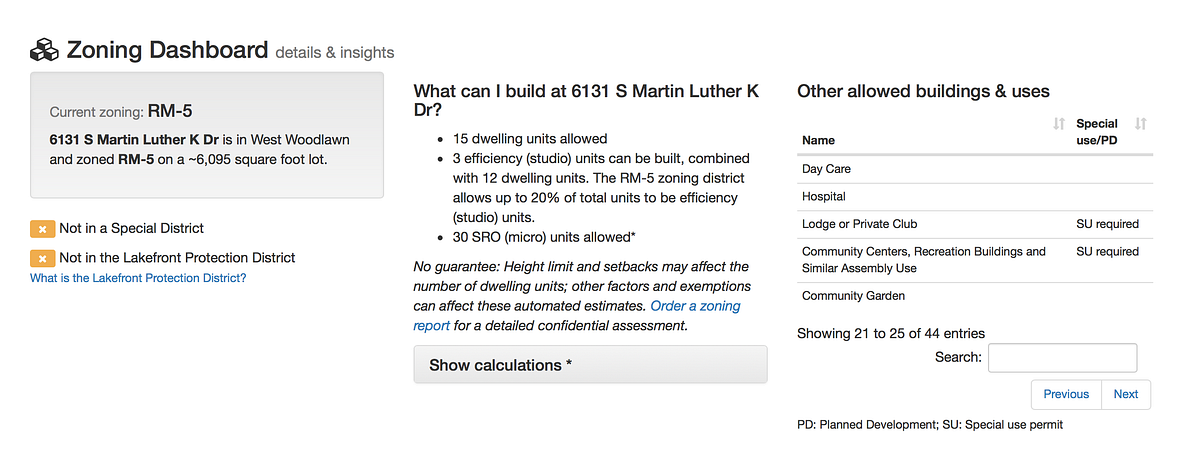
Our improved Zoning Dashboard makes it clear what you can build on any given property, including how many residential units.

If you’re a Large Lot owner and you want to know what you can build on your lot, look up your lot’s Address Snapshot report and check out our revised Zoning Dashboard.

You don’t need to be a Pro member to access this information; you can purchase individual Address Snapshot reports for $9.99. If you look up more than three reports per month, however, it’s more cost effective to become a Cityscape Pro member.


High and low end bills

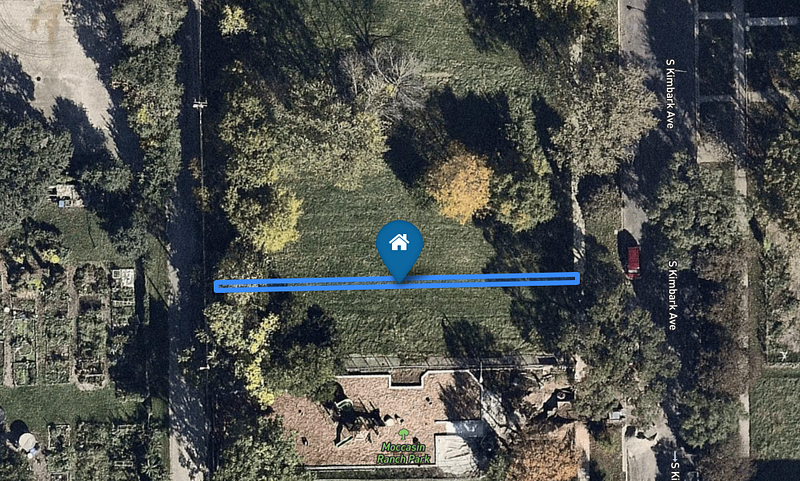
The smallest and cheapest Large Lot purchased, on South Kimbark Avenue in Woodlawn.

The lowest property tax bill was $70.84 for a 329 square foot lot in Woodlawn, adjacent to multiple vacant lots—at least one of the adjacent lots is owned by the same owner.

The cheapest property taxes for a property that can actually be built on was $229.46 in the 2017 property tax year. That property in Englewood has 1,779 square feet in an RT-4 residential zoning district that requires a minimum of 1,650 square to be able to build one unit.

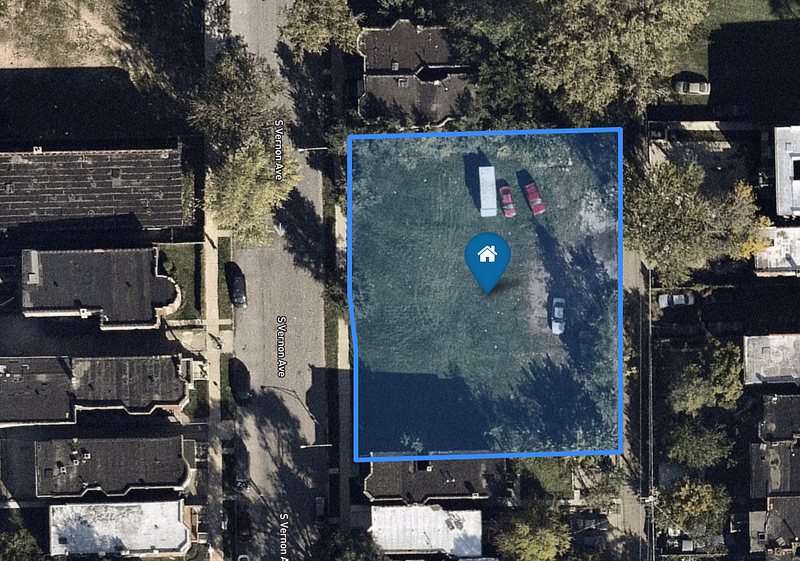
The largest and most expensive Large Lot purchased, on South Vernon Avenue in Woodlawn.

The most expensive tax bill was $4,412.13 for a 18,633 square foot lot in Woodlawn. The owner is Greenline Development, a home builder in Woodlawn and Bronzeville.

Tax bills across community areas

The 2017 property tax bills can also be broken down by community areas. Looking at the Large Lots in five of the 25 community areas, the average bill was:

Looking at all vacant land and sideyards in the same community areas, the average property tax bill in 2017 was (for non-tax exempt properties):

  • Woodlawn: $945.44 (672 properties)
  • East Garfield Park: $797.44 (1,431 properties)
  • Englewood: $518.39 (2,520 properties)
  • West Englewood: $472.20 (2,514 properties)
  • Austin: $703.16 (1,360 properties)

Only one of the properties sold in West Garfield Park had a property tax bill in 2017, so that community area is excluded from the sample.

New Large Lot owners can expect to pay about $700 in property taxes in their first year of ownership, but the data shows that this amount varies by community area. In the sample of five community areas, lot owners in Woodlawn clearly pay the most.

The assessed value on these properties may go up for the 2018 tax year, as Chicago properties are currently being reassessed. The tax bill might also go up as a result (tax bills are also based on how much each government an taxing body is levying that year).

*Large Lots sold as of March 23, 2018. A new round of applications was completed this summer and those should close in the fall.


← Older article
Next Jefferson Park veterans housing meeting will be a virtual one
Newer article →
Site Locator solves two zoning problems for business and property owners

Other posts by Steven Vance full archive

March 2026
February 2026
January 2026
December 2025
November 2025
September 2025
August 2025
July 2025
June 2025
April 2025