Inspired by this Strong Towns article, and this tweet I read the other day, I’m going to compare the property tax revenues of different uses of properties in Chicago.
On a per square foot basis, which property generates more revenue?
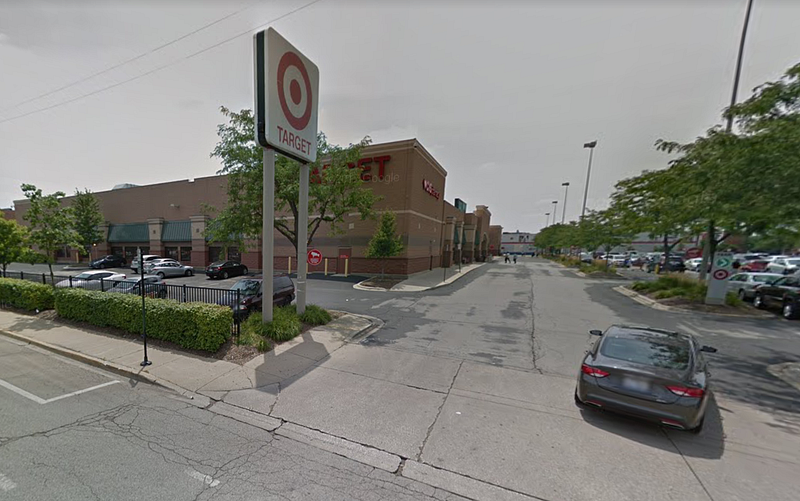
- Logan Square Target on Elston Avenue
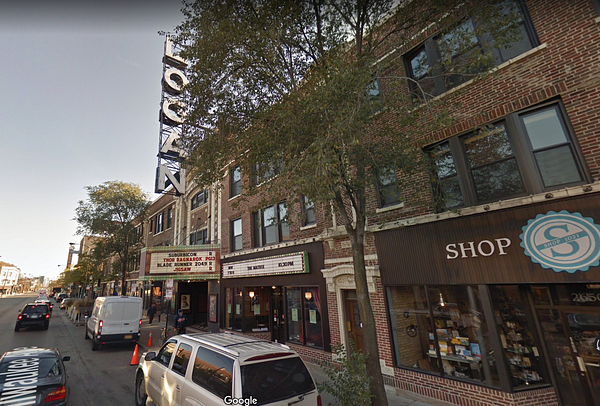
- or the building that contains the Logan Theatre, other shops, and some apartments
The Target store and its parking lot and parking garage occupy 227,484 square feet of space and generated $427,276.40 in revenues in 2016. It was assessed at $2,133,303. The Target store generated $1.88 per square foot of lot area.
The Logan Theatre building occupies 25,472 square feet of space and generated $76,732 in revenues in 2016. It was assessed at $383,106. This building generated $3.01 per square foot in 2016.
I’ll analyze a couple more selected buildings in the Logan Square community area, with their 2016 property tax statistics that I easily looked up on Chicago Cityscape (it requires a Pro membership):
- The Revolution Brewing brewpub building generated $9.21 per square foot
- The Emporium arcade bar building generated $5.47 per square foot
- “The L” building, which has 120 units and one retail space (Navigator Taproom), generated $2.49 per square foot
I also looked at two other “sprawly” properties in Logan Square: the Family Dollar and its parking lots next to the California ‘L’ station and the Liberty Bank and its parking lots just up the street. They generate even less money by lot area than the Target!
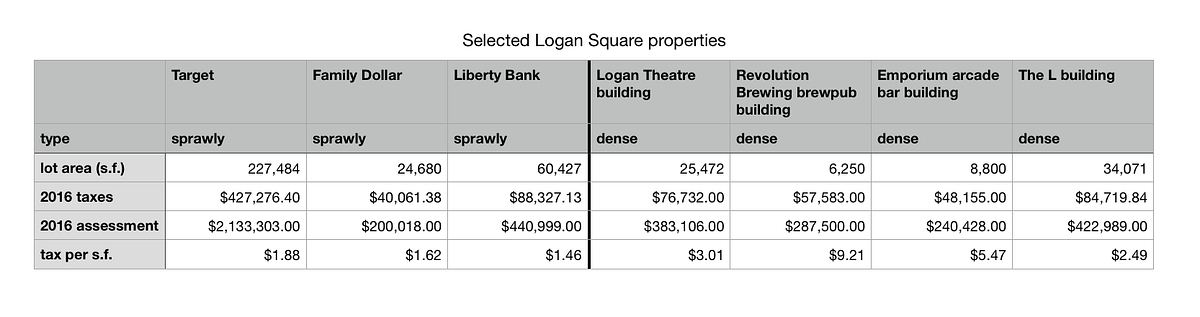
The denser buildings in this analysis generate significantly more taxes for the county, city, parks, schools, and other services than the “sprawly” buildings.
Further reading from the Institute for Local Self-Reliance: “a community earns about $7 in property taxes per acre on the average big-box retail store, compared to $287 per acre on a mixed-use, mid-rise business district.”