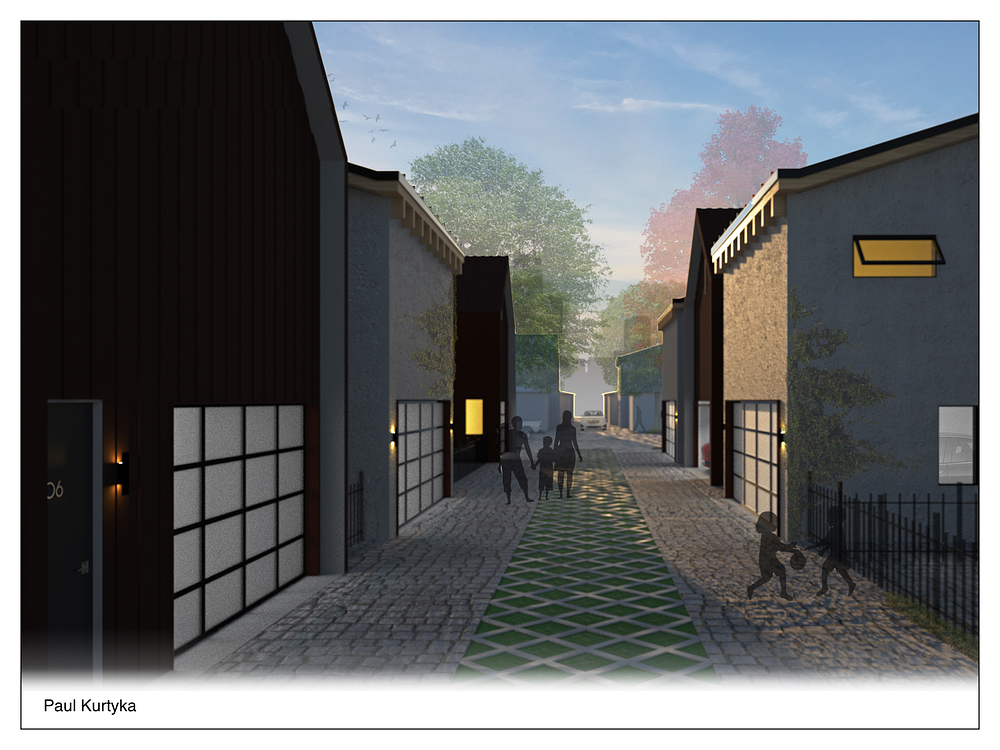
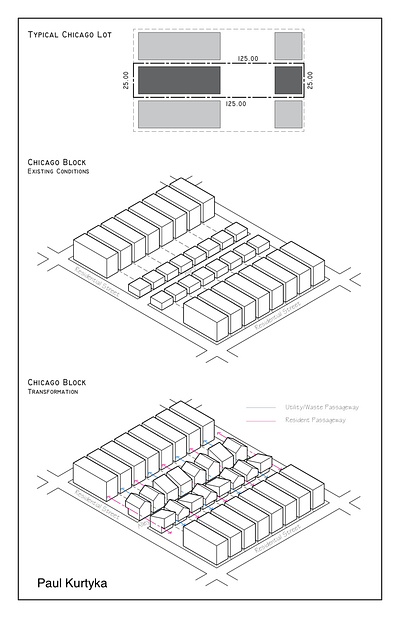
Plus: Architecture graduate designed coach house prototypes
Last week I outlined two scenarios in which Chicago’s current zoning code would encourage demolition rather than preserve older and affordable housing stock. This week I learned that Oak Park adopted a revised zoning code last year that explicitly allows coach houses. From 1921 to last year, coach houses could not be used as dwellings.
The village’s code about coach houses is very simple. You need a property:
- that’s zoned for single-family residential
- that’s 6,500 square feet or larger (this is slightly larger than two standard lots in Chicago, which are 3,125 square feet)
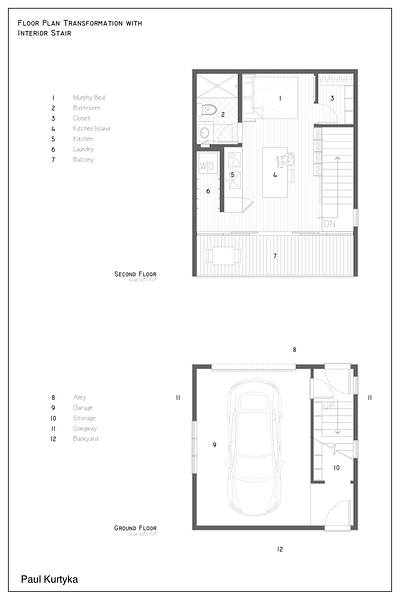
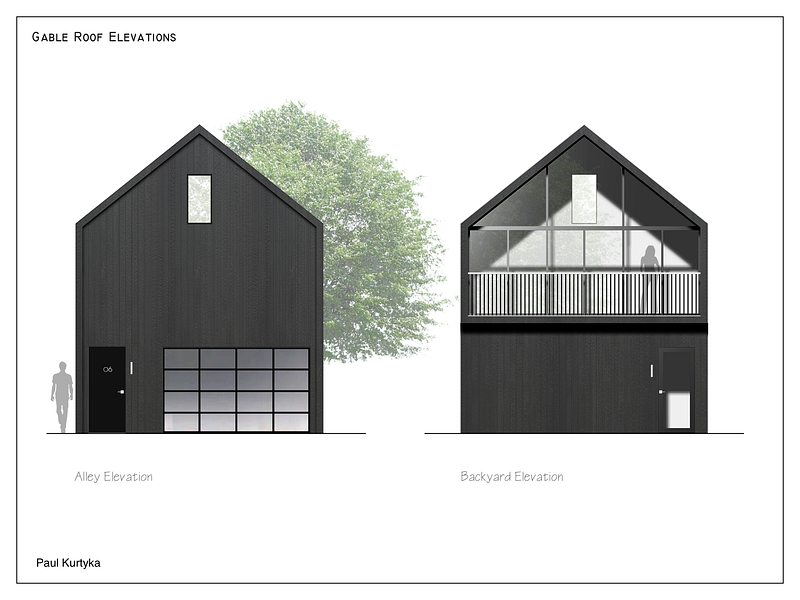
Additionally, the 1-unit coach house has to be an actual coach house — built atop a garage. A good rule in the village’s zoning code amendment is that owners don’t have to add any off-street parking spaces when they add a coach house.
I analyzed Chicago Cityscape’s exclusive Cook County properties database (which you can purchase in the Maps & Data Store) to see how many properties are eligible. There are about 3,058 properties in Oak Park where the owners could build a coach house above a garage.
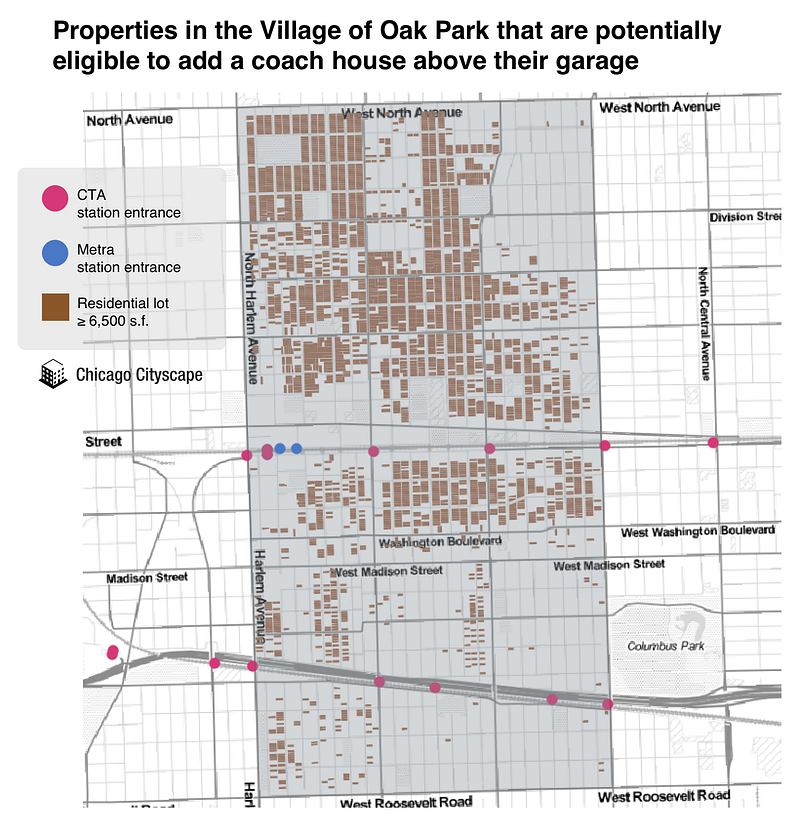
This would be an underwhelming rule if it was applied in Chicago because it would apply to only 16,228 detached single-family properties that have 6,500 s.f. or more of lot area, out of 280,176 total detached single-family properties (under six percent). Not only underwhelming, but it wouldn’t be that useful here: areas in Chicago that have 6,500 s.f. lots probably have resistant are where added density is needed least.
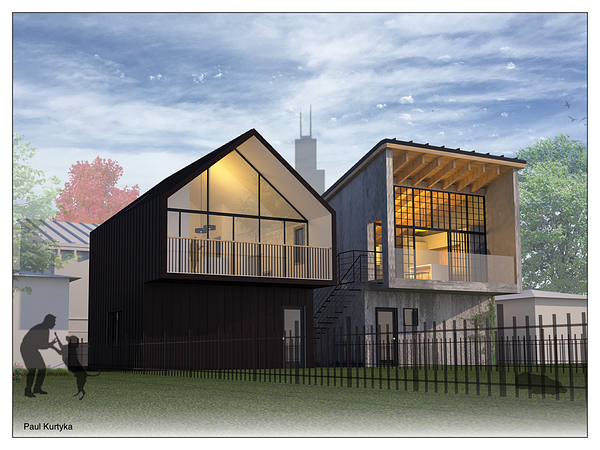
Why are coach houses (accessory dwelling units) great? They add more housing options without changing the street’s character (people are often concerned about how a block looks); they’re often cheaper to rent; and, it’s a good use of space because, in the case of coach houses, it adds a “people apartment” above a “car apartment”.