Six ADU permits have been issued since May 2021
Published on Oct. 18, 2021 by Steven Vance
Updated on Nov. 4, 2021
It’s more than zero but six is not as many accessory dwelling unit building permits I wished to have been issued at this time. I’ll discuss the six issued permits and analyze the hundreds of pre-applications. I first reviewed the pre-applications back in May, just 10 days after ADUs were re-legalized.
As of November 3, 2021, there have now been 10 permits issued since May.
A pre-application is the intake form that property owners who intend to build an interior apartment or backyard house — this year or anytime in the future — must fill out before they can apply for a building permit, to give the Chicago Department of Housing a chance to verify that the location is eligible, and to reiterate affordable housing rules, if applicable. By May 11, 110 property owners had submitted pre-applications, proposing 123 interior ADUs and backyard houses.
The permits
Again, just six building permits for new ADUs have been issued. Five of the properties are getting one ADU and the sixth is getting four ADUs, growing from 12 to 16 apartments. One of the six is getting a backyard house.

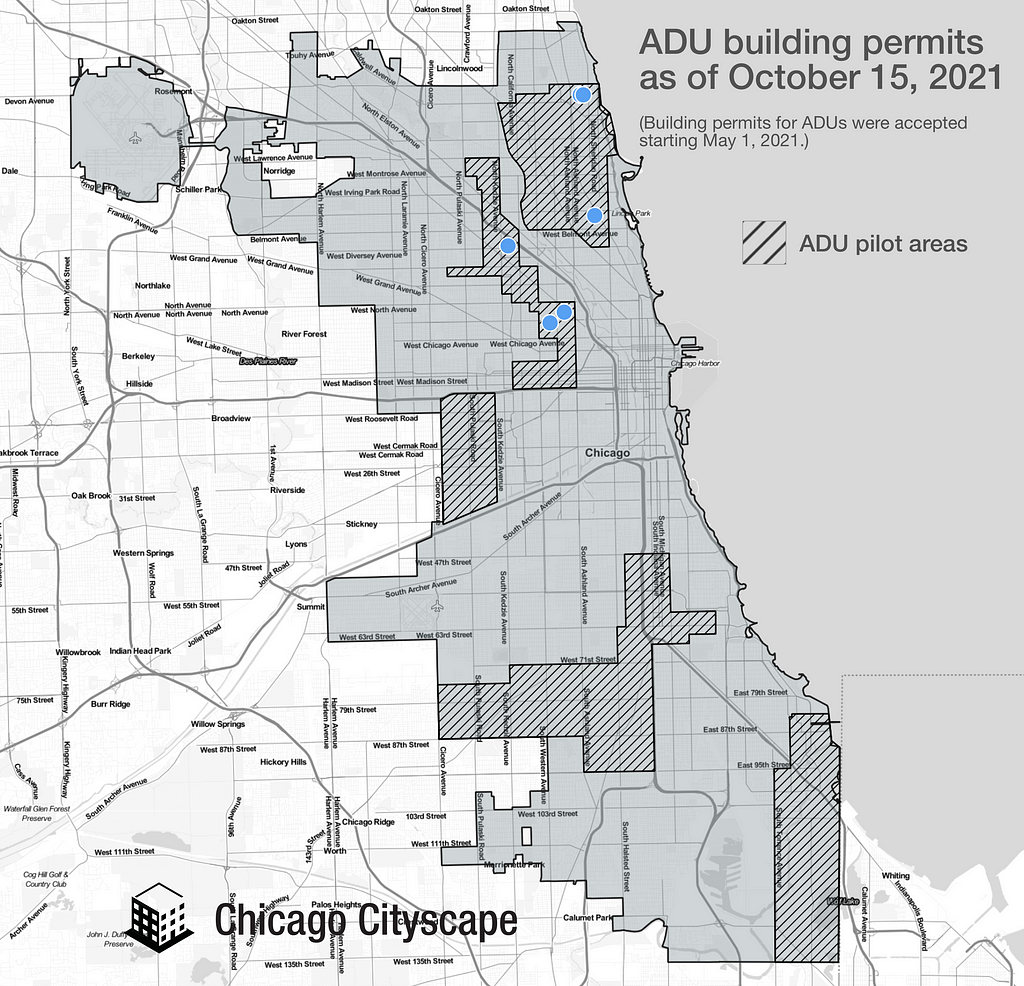
Explore the building permits on ChicagoCityscape.com (a free Cityscape account is required to view building permit information):
- 2833 N Whipple St: Add basement unit to 5-flat
- 1101 W Cornelia Ave: Add basement unit to 3-flat
- 2131 W Haddon Ave: Add coach house behind single-detached (first coach house permit)
- 1332 N Wicker Park Ave: From five to six units
- 1344 W Hood Ave: Add basement unit to 19-unit building
- 1300 W Hood Ave: Add four units to 12-unit building
The stats
Now, as of October 8, 2021, there have been 329 pre-applications. Many of them are duplicates and some have not yet been processed, so I’m going to focus on the 158 approved pre-applications.
These 158 pre-applications represent 453 existing dwelling units, and these property owners are proposing to build 169 ADUs.
Eight of the 158 properties would have two or more ADUs, totalling 19 ADUs. Because of the ordinance rule that requires a property owner constructing two or more ADUs in a single project to rent half of them at an affordable rate, nine of the 19 will have to comply (one project proposes three ADUs, and only one has to be affordable).
Of the 169 ADUs, 113 would be interior ADUs (67 percent) and 56 would be backyard houses (33 percent).
In the pre-application form, property owners must indicate how old their house is, since interior ADUs are only allowed in houses that are at least 20 years old. Using this self-reported data, 35 of the 158 properties are 19th century houses. Twenty-eight of these would have interior ADUs and seven would have backyard houses.
The vast majority of the applications for ADUs are for properties in zoning districts that, except for being in an ADU pilot area, ban denser and more affordable housing and allow only single-detached houses (107 out of 158). While this makes sense given that the majority of the area of the ADU pilot areas are zoned to ban apartments and condos, I think it is also an indication that people appreciate the ability to have additional units on those blocks that are zoned in such a way that, outside of the ADU pilot areas, multi-family housing is banned.
Want to talk to someone about the feasibility of building an additional apartment in your property? Find an architect in our Directory.
The geography
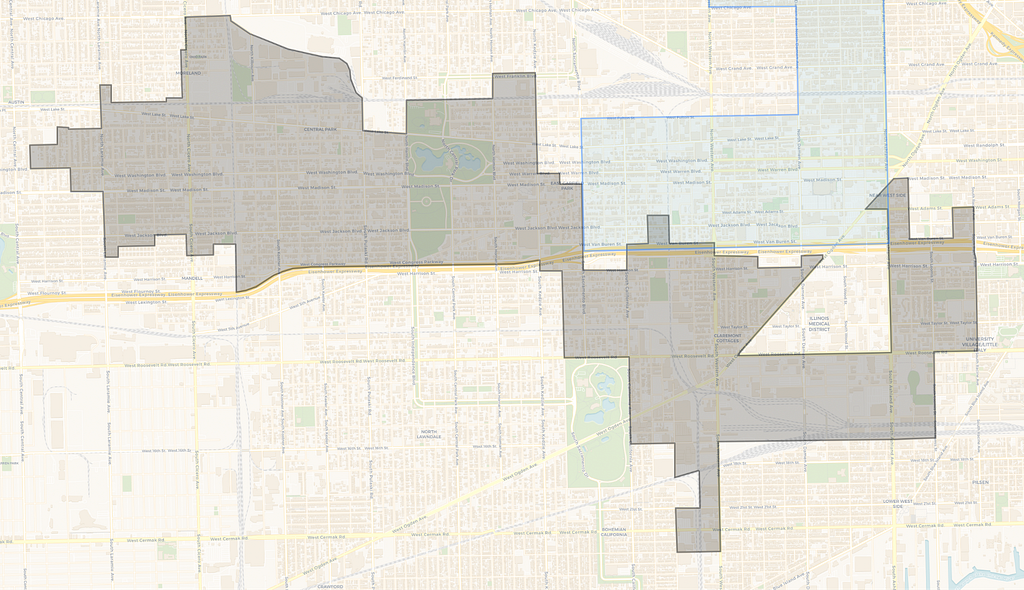
The five ADU pilot areas overlap with 21 of Chicago’s 50 wards, and all are represented in the pre-applications, but at varying levels. The pilot area boundaries were drawn with input from alders.
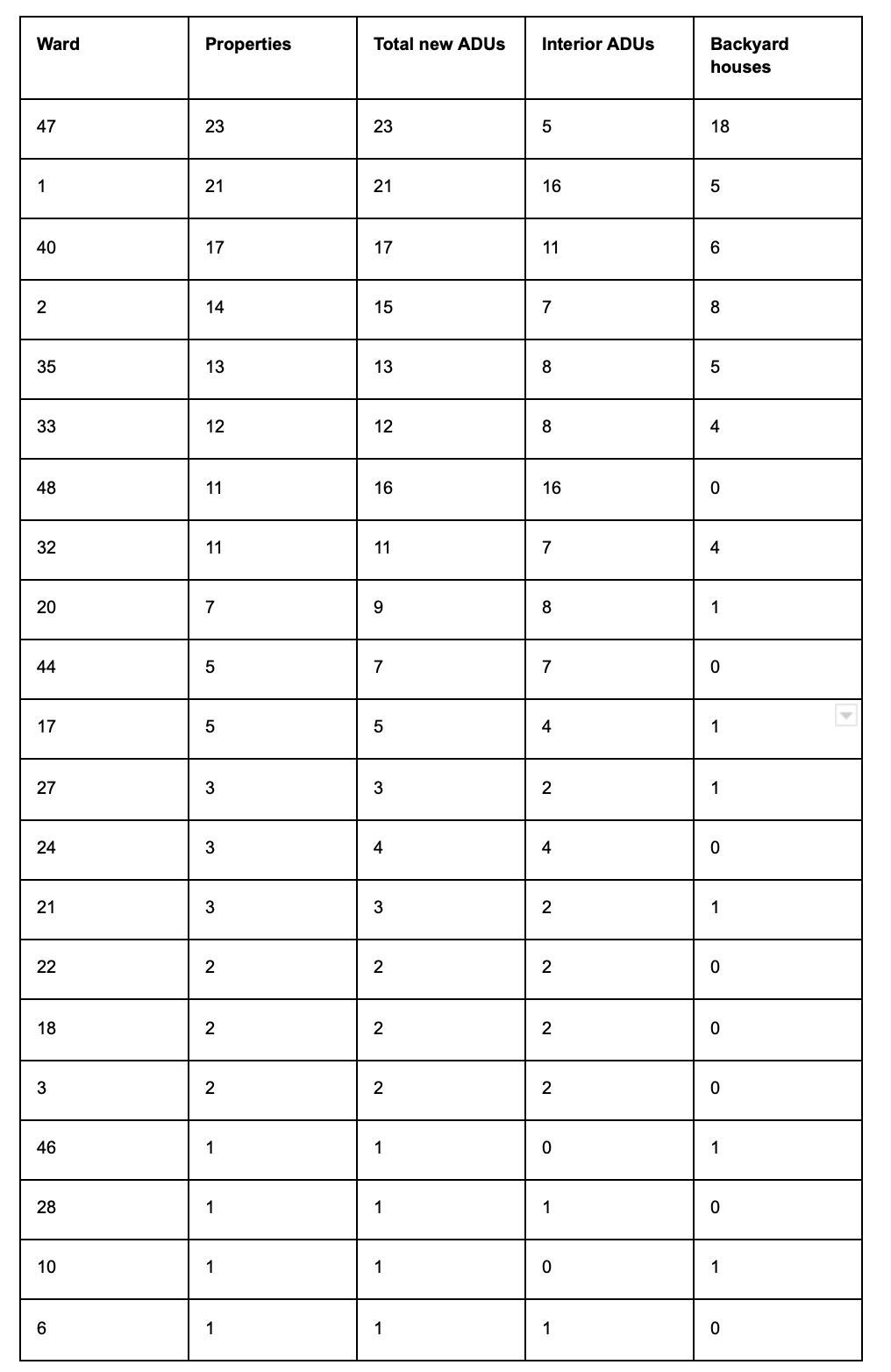
Some alders — like 11th Ward Patrick Thompson — asked for no overlap; others, including 35th Ward Alder Ramirez-Rosa wanted the entire ward to be eligible (only 79 percent of the 35th Ward is in an ADU pilot area). There are 13 pre-applications in the 35th Ward, representing eight interior ADUs and five backyard houses.
The 28th Ward (Alder Jason Ervin) has only one percent overlap with an ADU pilot area and similarly has only one application. At the other end of the spectrum, the 47th Ward has 23 applications proposing 23 new ADUs; the 1st Ward has 21 applications proposing 21 ADUs; and the 40th Ward has 17 applications with 17 ADUs.
The 47th Ward has the highest proportion of applications for backyard houses, at 78 percent. In the 1st Ward, which has the second most applications, only 24 percent are for backyard houses. See the full chart:
Six ADU permits have been issued since May 2021 was originally published in Chicago Cityscape on Medium, where people are continuing the conversation by highlighting and responding to this story.
Other posts by Steven Vance full archive