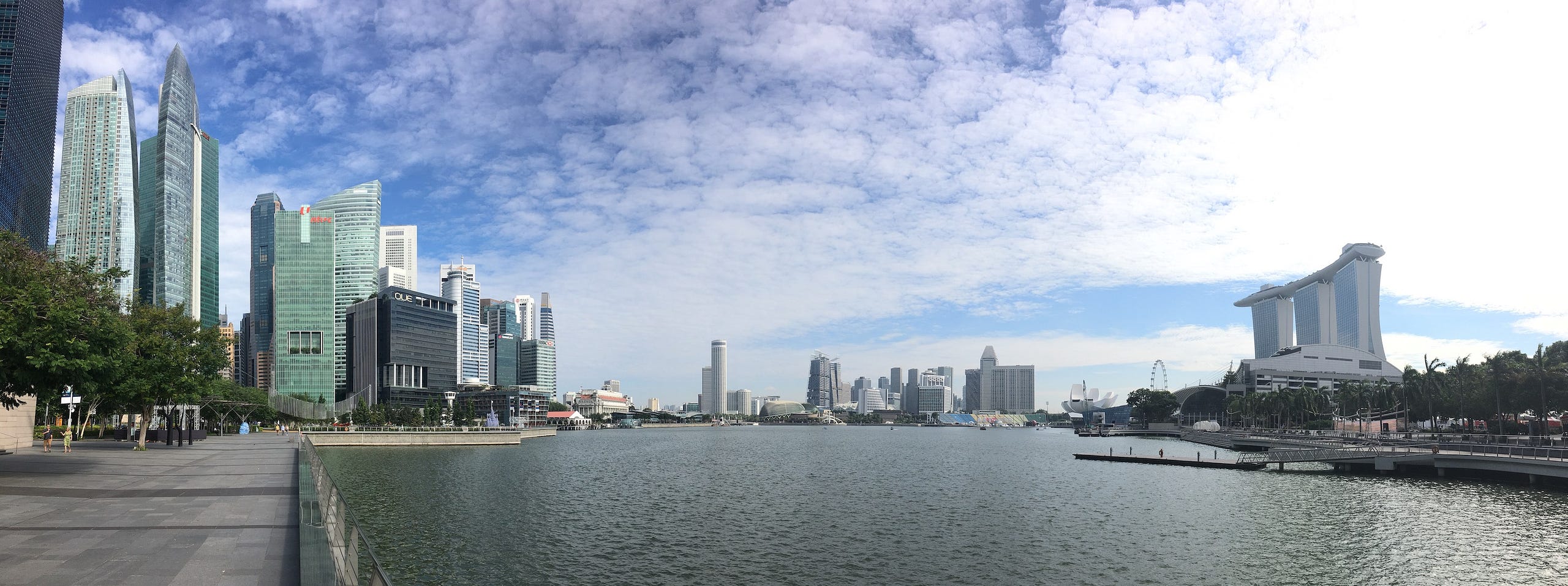
We’re back from a three week hiatus. I traveled in Asia for the first time, starting in Singapore. The city-state-country is what I wrote some of my first papers on in urban planning school, and it was exciting to see the land use policies that I had researched on display. Density and mixed-use are key principles to organize buildings and public space that maximize the limited amount of land and ensure sufficient space for parks and recreation.


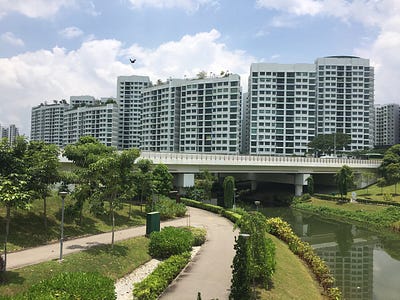
Every day I had to remind myself that mainland Singapore is about 16 percent larger than Chicago, and has double the population. Not a single square meter of land was wasted, and they still devote 20 percent to nature preserves. Sometimes, though, it felt a little too perfect and polished.
There were definitely no surface parking lots or single-family houses adjacent to subway stations, like there are in Chicago. The space around stations was always mixed: office, residential, and civic. Parks were liberally woven between residential towers, and plants were gushing from balconies (okay, that one’s not as fair because Singapore is tropical).
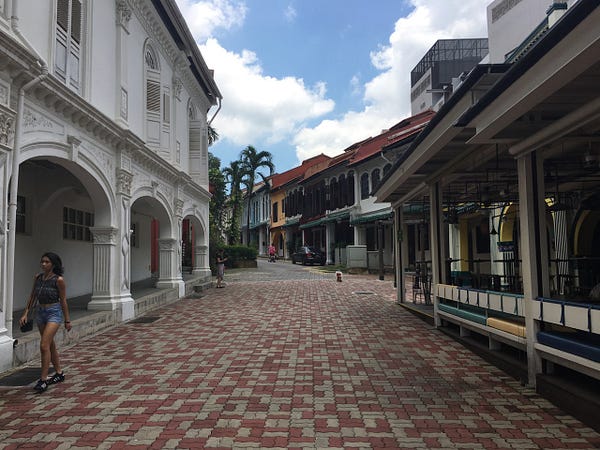
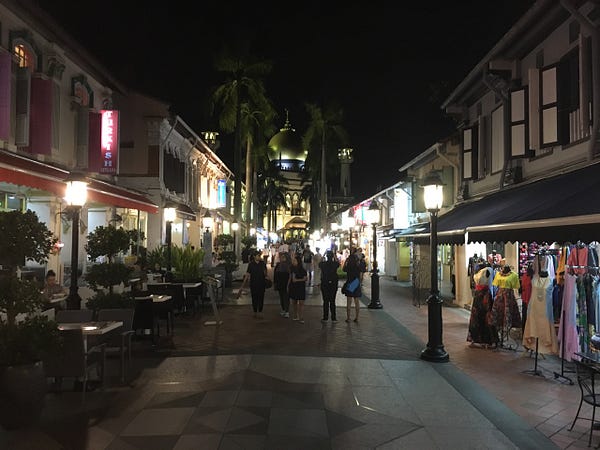
I spent five days on the island, and visited a handful of neighborhoods and parks outside the central area. Like Chicago, most of the business and economic activity in Singapore happens in the Downtown Core, or central business district. Unlike Chicago, Singapore is developing other “cores” to redistribute jobs and commutes. Chicago doesn’t have a space problem; we have a “use space well” problem.