Chicago Councilmatic grabs information from the City Council and presents it in a fast, lightweight website that’s easily searched. Sometimes I like to browse the “zoning reclassification” tag to see what zoning change proposals have been registered with the City Council.
You see, anytime someone wants a zoning change they have to submit an application and an economic disclosure statement saying they don’t owe the city money and which is supposed to reveal conflicts of interest to the city’s Department of Planning and Development.
The local alder (city councillor) will then submit a piece of legislation to the zoning committee. If approved there (99.997% of the time it will be approved) it’ll go to full city council for a vote (there’s a 99.999% approval rate there).
I was browsing the latest zoning reclassification requests and saw one for a building at the northeast corner of Granville Ave. and Winthrop Ave in the Edgewater community area. (I opened it because I thought it might be related to a TOD proposal on the street.)
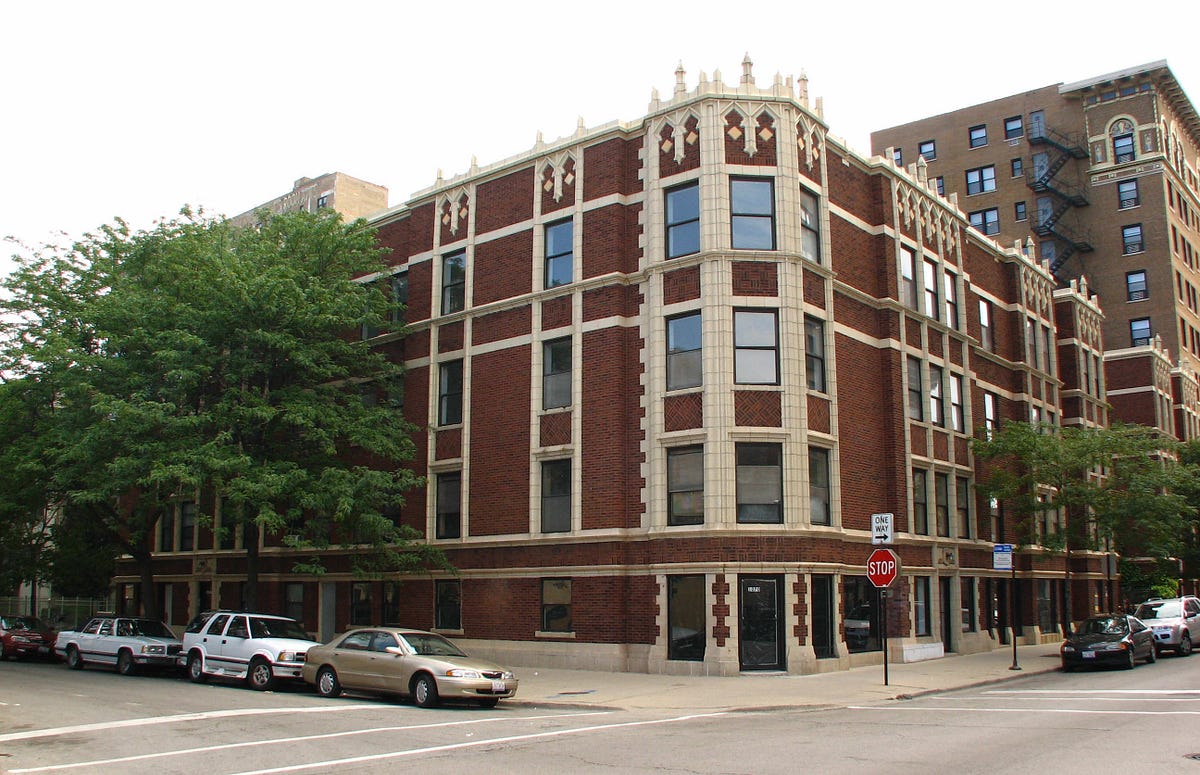
The condo association here wants to change from a multi-unit residential district, RM-6, to a B3–3 “community shopping district”.
The “B” zoning classification allows mixed uses (so does C and D) and the condo association wants to be able to allow a commercial art gallery in one of the three existing commercial units. (It passed.)
I implied that the existing RM-6 zoning district doesn’t allow mixed uses. It allows a limited number of non-residential uses, including:
- Schools, colleges and universities
- Cultural centers and libraries
- Day cares and hospitals
- Foreign consulates and charitable organizations
Oh, you can also have a cemetery. That’s it.
The economic disclosure statement is also interesting because it tells you who owns the condos in the building. I looked at the list and saw that only 6 of the 40** units were owned by someone who lived in the building! The rest were owned by several holding companies and people who live elsewhere in Chicago.